Discover effective manual therapy techniques that relieve herniated disc pain and support natural healing and spinal alignment recovery.

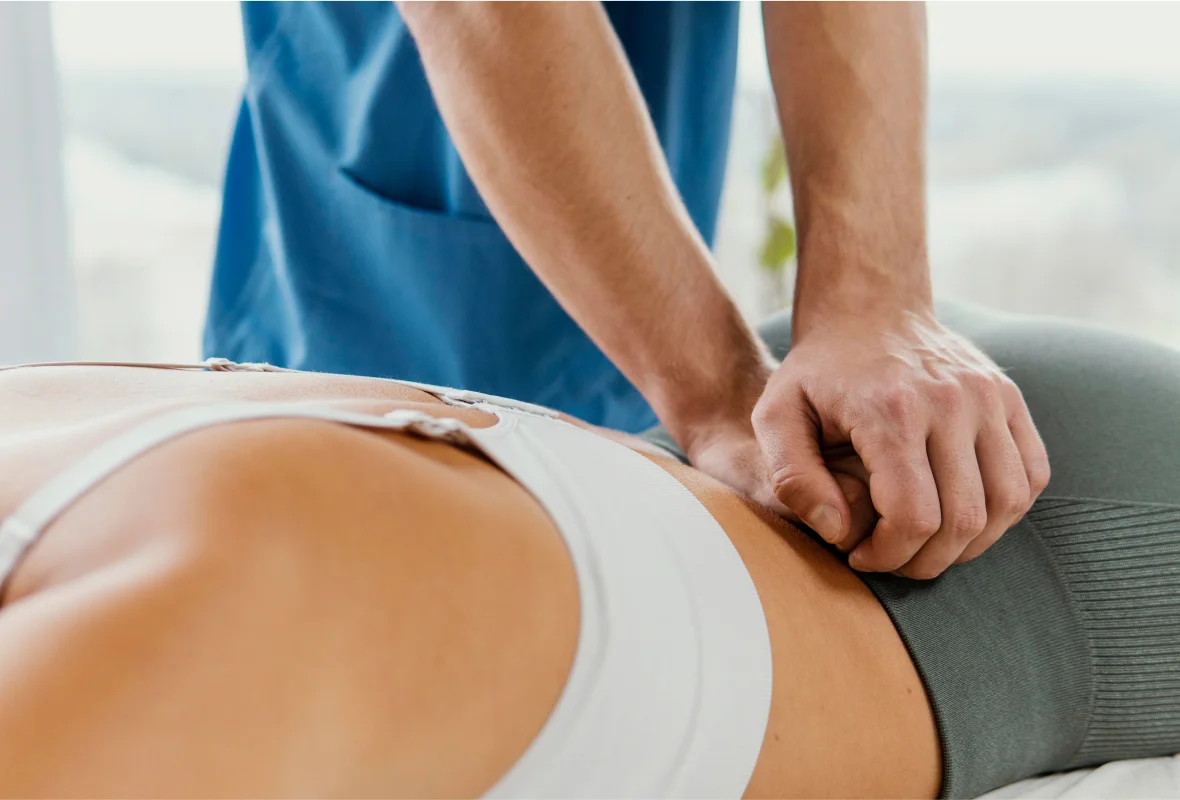
Manual therapy provides evidence-based relief for herniated disc pain through specialized hands-on techniques that address both the mechanical and neurological aspects of disc-related symptoms. These techniques include spinal mobilization, soft tissue manipulation, and nerve mobilization procedures that work together to reduce disc pressure, improve spinal alignment, and decrease nerve root irritation. Unlike passive treatments, manual therapy actively engages the body’s natural healing mechanisms by improving circulation, reducing inflammation, and restoring normal movement patterns that support disc health and prevent further degeneration.
The effectiveness of manual therapy for herniated disc pain stems from its ability to address multiple contributing factors simultaneously. Skilled therapists use gentle mobilization techniques to improve spinal joint mobility, reducing compensatory stress on the affected disc while promoting better load distribution throughout the spine. Soft tissue techniques target surrounding muscles that may be guarding or contributing to spinal dysfunction, while specific nerve mobilization procedures help reduce neural tension and improve nerve gliding. This comprehensive approach is particularly beneficial for patients experiencing radiating pain, numbness, or weakness associated with nerve root compression from the herniated disc.

Clinical outcomes demonstrate that patients receiving manual therapy for herniated disc pain experience significant improvements in pain levels, functional capacity, and quality of life compared to those receiving only passive treatments or medications. The hands-on nature of manual therapy allows therapists to assess and adapt treatment in real-time, ensuring that techniques are both safe and effective for each individual’s specific condition. Most patients report noticeable improvement within the first few sessions, with continued progress as treatment addresses both acute symptoms and underlying biomechanical issues that contributed to the disc herniation, making manual therapy an essential component of comprehensive disc pain management.
Book a Consultation
It’s easy and free!