

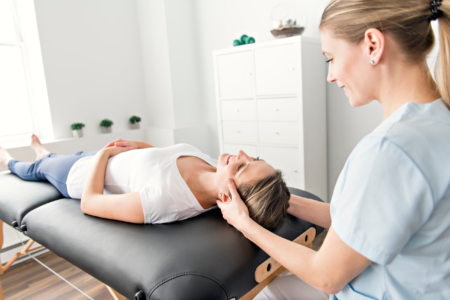
Vestibular rehabilitation is a specialized branch of physiotherapy designed to treat disorders of the inner ear and balance system that can cause debilitating symptoms including dizziness, vertigo, unsteadiness, visual disturbances, and nausea. Vestibular disorders such as benign paroxysmal positional vertigo (BPPV), vestibular neuritis, labyrinthitis, Meniere’s disease, and post-concussion vestibular dysfunction can significantly impact daily activities, work performance, and quality of life, often leading to anxiety and reduced confidence in movement. Physiotherapy for vestibular rehabilitation involves a comprehensive assessment of the vestibular, visual, and proprioceptive systems to identify specific deficits and determine the most appropriate treatment approach. Treatment typically includes canalith repositioning procedures like the Epley maneuver for BPPV to move displaced crystals back to their proper location, habituation exercises that gradually expose patients to movements that provoke symptoms to reduce sensitivity over time, gaze stabilization exercises to improve visual clarity during head movements, and balance training to restore confidence and stability. Physiotherapists also provide education about the vestibular system, teach coping strategies for managing symptoms during daily activities, and develop customized exercise programs that promote central compensation mechanisms, allowing the brain to adapt and rely more heavily on visual and proprioceptive inputs when vestibular function is compromised.
Frequently Asked Questions:
1. What is BPPV and how can physiotherapy treat my spinning sensations? Benign Paroxysmal Positional Vertigo (BPPV) is the most common cause of vertigo, occurring when tiny calcium crystals called otoconia become displaced from their normal location in the inner ear and move into the semicircular canals. This causes intense spinning sensations, typically lasting less than a minute, triggered by specific head movements like rolling over in bed, looking up, or bending down. Physiotherapy treats BPPV using specialized maneuvers such as the Epley maneuver, Semont maneuver, or barbecue roll, depending on which canal is affected. These techniques involve specific sequences of head and body movements designed to guide the displaced crystals back to their proper location where they can be reabsorbed. Most patients experience immediate relief after one to three treatment sessions, with success rates exceeding 80%. Your physiotherapist will also teach you home exercises and precautions to prevent recurrence and manage any residual symptoms.
2. Why do I feel dizzy when I move my head quickly, and how does vestibular rehabilitation help? Dizziness with head movements often indicates a problem with your vestibular system’s ability to detect head motion and coordinate with your visual system to maintain clear vision and balance. This can result from conditions like vestibular neuritis, where inflammation affects the vestibular nerve, or from age-related changes in vestibular function. Vestibular rehabilitation helps through gaze stabilization exercises that train your eyes to stay focused on targets while moving your head, gradually increasing the speed and complexity of movements as your symptoms improve. Habituation exercises expose you to controlled doses of the movements that provoke dizziness, allowing your brain to become less sensitive to these motions over time. Your physiotherapist will also work on balance training and teach you strategies for managing symptoms during daily activities, helping you regain confidence in movement and reduce the fear-avoidance behaviors that can perpetuate the problem.
3. How long does vestibular rehabilitation take, and what should I expect during recovery? Recovery time for vestibular rehabilitation varies significantly depending on your specific condition and individual factors. BPPV often resolves quickly with 1-3 treatment sessions over a few weeks, while more complex conditions like vestibular neuritis or post-concussion vestibular dysfunction may require 8-12 weeks or longer of consistent therapy. Recovery typically follows a pattern where you’ll first notice improvements in controlled environments, then gradual improvement with more challenging activities and environments. You should expect some fluctuation in symptoms during recovery – this is normal as your brain adapts to changes in vestibular function. Your physiotherapist will prepare you for this process and help you understand that temporary increases in symptoms during exercises often indicate that your brain is working to compensate. Progress is measured not just by symptom reduction, but also by improved function, increased activity tolerance, and greater confidence in movement.
4. Can vestibular rehabilitation help if I’ve had dizziness for months or years? Yes, vestibular rehabilitation can be highly effective even for chronic dizziness that has persisted for months or years, though the approach may differ from treating acute conditions. Chronic vestibular symptoms often involve incomplete compensation, where your brain hasn’t fully adapted to vestibular dysfunction, or the development of secondary problems like anxiety, deconditioning, or maladaptive movement patterns. Your physiotherapist will conduct a comprehensive assessment to identify both primary vestibular deficits and secondary complications that may be maintaining your symptoms. Treatment for chronic conditions typically focuses on promoting central compensation through progressive exercises that challenge your balance and visual systems, addressing any concurrent anxiety or movement fears through graded exposure, and retraining normal movement patterns you may have avoided. While recovery may take longer than with acute conditions, many patients with chronic vestibular symptoms experience significant improvement in both symptom severity and functional capacity with appropriate rehabilitation.