

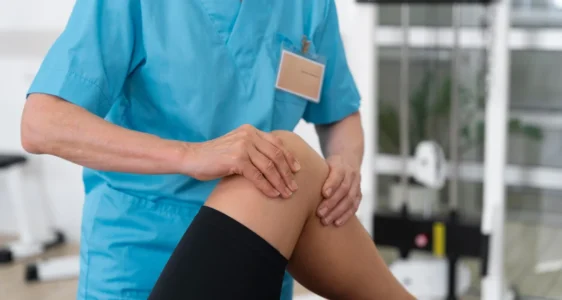
Hip and knee pain often occur together due to the interconnected nature of the lower limb kinetic chain, where dysfunction in one joint can significantly impact the other. Common causes include osteoarthritis, patellofemoral pain syndrome, IT band syndrome, hip bursitis, meniscal tears, and muscle imbalances that develop from prolonged sitting, overuse, or age-related changes. Physiotherapy offers a comprehensive treatment approach that addresses both joints simultaneously, recognizing that hip weakness often contributes to knee problems and vice versa. Treatment begins with a detailed biomechanical assessment to identify movement patterns, muscle imbalances, and joint restrictions that contribute to pain. Physiotherapists utilize manual therapy techniques to improve joint mobility and reduce muscle tension, prescribe targeted strengthening exercises for the hip stabilizers and knee-supporting muscles, and implement functional training to restore normal movement patterns during walking, stairs, and daily activities. Additionally, physiotherapy includes gait analysis, weight management guidance when appropriate, and education about activity modification to reduce joint stress while maintaining an active lifestyle.
Frequently Asked Questions:
1. Why do my hip and knee hurt at the same time, and how does physiotherapy address both? Hip and knee pain often occur together because these joints work as a connected system during movement. Weakness in hip muscles, particularly the glutes, can cause the knee to collapse inward during activities like walking or squatting, leading to knee pain. Conversely, knee problems can alter your walking pattern, placing extra stress on the hip joint. Physiotherapy addresses this connection by treating both areas simultaneously through exercises that strengthen the entire lower limb chain, improve hip stability to reduce knee stress, and restore proper movement patterns that benefit both joints.
2. What types of exercises will help my hip and knee pain? Your exercise program will typically include hip strengthening exercises like clamshells, side-lying leg lifts, and bridges to improve stability, along with knee-specific exercises such as straight leg raises and wall sits to strengthen the quadriceps. Flexibility exercises for tight hip flexors and IT bands are often included, as is functional training like step-ups and modified squats that teach proper movement patterns. Balance and proprioception exercises help improve joint awareness and control. Your physiotherapist will progress these exercises gradually, starting with basic movements and advancing to more complex functional activities as your strength and mobility improve.
3. Can physiotherapy help me avoid hip or knee replacement surgery? Physiotherapy can significantly delay or potentially eliminate the need for joint replacement surgery in many cases, particularly for mild to moderate arthritis or when pain is primarily due to muscle weakness and movement dysfunction rather than severe joint damage. Research shows that patients who complete a course of physiotherapy before considering surgery often experience substantial pain reduction and improved function. Even when surgery is eventually necessary, pre-surgical physiotherapy can improve outcomes by optimizing strength and mobility beforehand. Your physiotherapist will work closely with your doctor to determine the most appropriate treatment path based on your specific condition and response to conservative care.
4. How long will it take to see improvement in my hip and knee pain with physiotherapy? Most patients begin to notice some improvement in pain and function within 2-4 weeks of starting physiotherapy, though this varies depending on the underlying condition and how long you’ve had symptoms. Acute injuries may respond more quickly, while chronic arthritis or long-standing movement dysfunction may require 8-12 weeks of consistent treatment to achieve significant improvement. Conditions like patellofemoral pain syndrome often show good progress within 6-8 weeks, while hip bursitis may improve in 4-6 weeks. Your physiotherapist will set realistic expectations based on your individual assessment and will track your progress throughout treatment, adjusting the program as needed.