

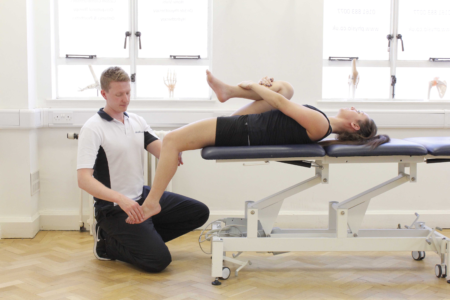
Fibromyalgia is a chronic pain condition characterized by widespread musculoskeletal pain, fatigue, sleep disturbances, and tender points throughout the body, affecting approximately 2-4% of the population, predominantly women. This complex condition involves central sensitization, where the nervous system becomes hypersensitive to pain signals, amplifying normal sensations into painful experiences and often accompanied by cognitive difficulties known as “fibro fog,” mood changes, and heightened sensitivity to light, sound, and touch. Physiotherapy plays a crucial role in fibromyalgia management through a gentle, individualized approach that recognizes the unique challenges this condition presents. Treatment typically begins with pain neuroscience education to help patients understand their condition and reduce fear-avoidance behaviors, followed by carefully graded exercise programs that start with very low-intensity activities like gentle stretching, breathing exercises, and short walks, gradually progressing as tolerance improves. Physiotherapists utilize techniques such as aquatic therapy to provide pain relief through warm water and buoyancy, manual therapy using light touch and gentle mobilization to avoid triggering pain responses, pacing strategies to help patients balance activity with rest periods, and stress management techniques including relaxation training and mindfulness-based approaches. The focus is on improving overall function, sleep quality, and quality of life rather than simply reducing pain intensity, with treatment plans that emphasize patient education, self-management skills, and sustainable lifestyle modifications.
Frequently Asked Questions:
1. How can exercise help fibromyalgia when movement often increases my pain and fatigue? Exercise for fibromyalgia requires a completely different approach than traditional fitness programs, starting extremely gently and progressing very slowly to avoid triggering flare-ups. Your physiotherapist will begin with activities as simple as gentle stretching, deep breathing exercises, or short 2-3 minute walks, focusing on consistency rather than intensity. The key is understanding that fibromyalgia pain often decreases with appropriate movement over time, as exercise helps regulate sleep patterns, reduces muscle stiffness, improves circulation, and releases natural pain-relieving endorphins. Aquatic therapy is particularly beneficial because warm water provides pain relief while supporting your body weight, making movement easier and more comfortable. Your physiotherapist will teach you to distinguish between fibromyalgia pain and exercise-related discomfort, helping you build confidence that gentle movement won’t cause harm and gradually expanding your tolerance for activity.
2. What is pacing, and how does it help manage fibromyalgia symptoms? Pacing is a fundamental self-management strategy that involves breaking activities into smaller, manageable segments with rest periods in between, helping prevent the boom-bust cycles common in fibromyalgia where people overdo activities on good days and then experience severe flare-ups. Your physiotherapist will teach you to identify your baseline activity level – the amount you can do consistently without triggering increased symptoms – and then plan activities within those limits. This might mean doing household chores in 10-15 minute segments with rest breaks, or spreading larger tasks across several days rather than trying to complete everything at once. Pacing also involves learning to recognize early warning signs of overexertion and implementing rest strategies before symptoms become severe. Over time, consistent pacing can actually increase your overall activity tolerance by preventing the exhaustion and pain cycles that often keep people with fibromyalgia trapped in a pattern of inactivity.
3. Can physiotherapy help with the sleep problems and fatigue that come with fibromyalgia? Yes, physiotherapy can significantly impact sleep quality and fatigue levels in fibromyalgia through several approaches. Gentle exercise and movement help regulate circadian rhythms and improve sleep architecture, while relaxation techniques and breathing exercises can reduce the hyperarousal state common in fibromyalgia that interferes with restful sleep. Your physiotherapist will teach you sleep hygiene strategies, gentle bedtime stretching routines, and relaxation techniques to help prepare your body for rest. Morning light exposure and appropriate timing of activities can help reset disrupted sleep-wake cycles. Additionally, by improving overall physical conditioning gradually and teaching energy conservation techniques, physiotherapy helps combat the profound fatigue associated with fibromyalgia. Pain reduction through appropriate exercise and manual therapy also contributes to better sleep quality, creating a positive cycle where improved sleep leads to less pain and fatigue during the day.
4. How long does it take to see improvements in fibromyalgia symptoms with physiotherapy, and what should I expect? Fibromyalgia recovery is typically a gradual process that requires patience and realistic expectations, with most people beginning to notice small improvements in sleep, mood, or function within 4-8 weeks of consistent physiotherapy. However, significant symptom reduction and functional improvements often take 3-6 months or longer, and progress is rarely linear – you may experience good days and setbacks as part of the normal recovery process. Early improvements might include slightly better sleep quality, reduced morning stiffness, or increased confidence in movement rather than dramatic pain reduction. Your physiotherapist will help you recognize and celebrate small victories, such as being able to walk an extra minute or complete household tasks with less fatigue. The goal is gradual, sustainable improvement in overall quality of life rather than complete pain elimination. Long-term success requires developing strong self-management skills and maintaining consistent, gentle activity levels even during flare-ups, with many patients finding they can achieve significant functional improvements and better symptom control over time.